
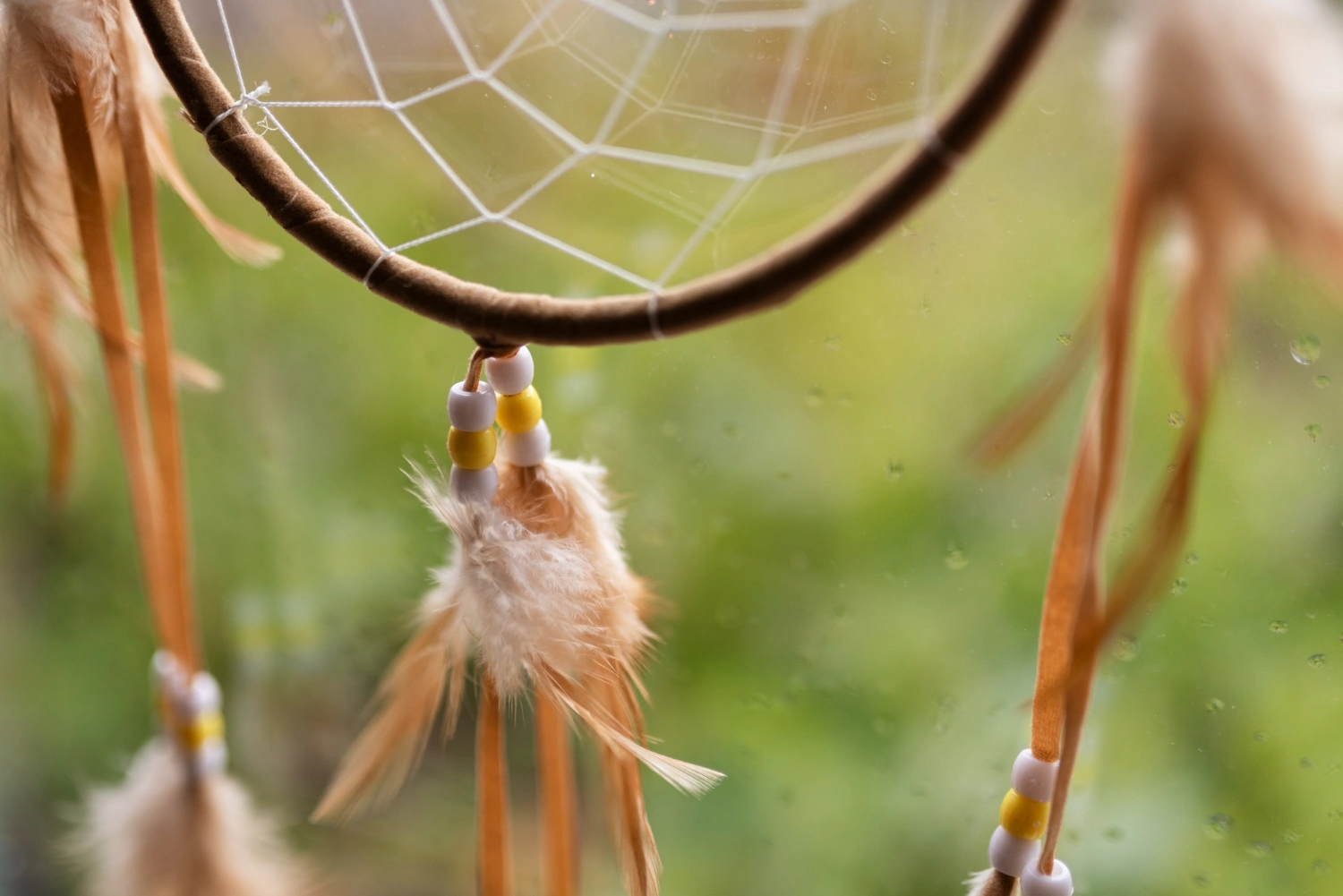
Native American traditions are not relics from the past. They are living practices, still observed, still meaningful, and still evolving in communities across the country.
These traditions cover everything from how people greet a new season to how they mark the most important moments in a person’s life.
Understanding them means understanding a worldview that is fundamentally different from mainstream Western culture, and worth learning about.
Before you read on, one thing to keep in mind: these traditions vary widely across nations. What holds true for one group may not apply to another.
Context always matters.
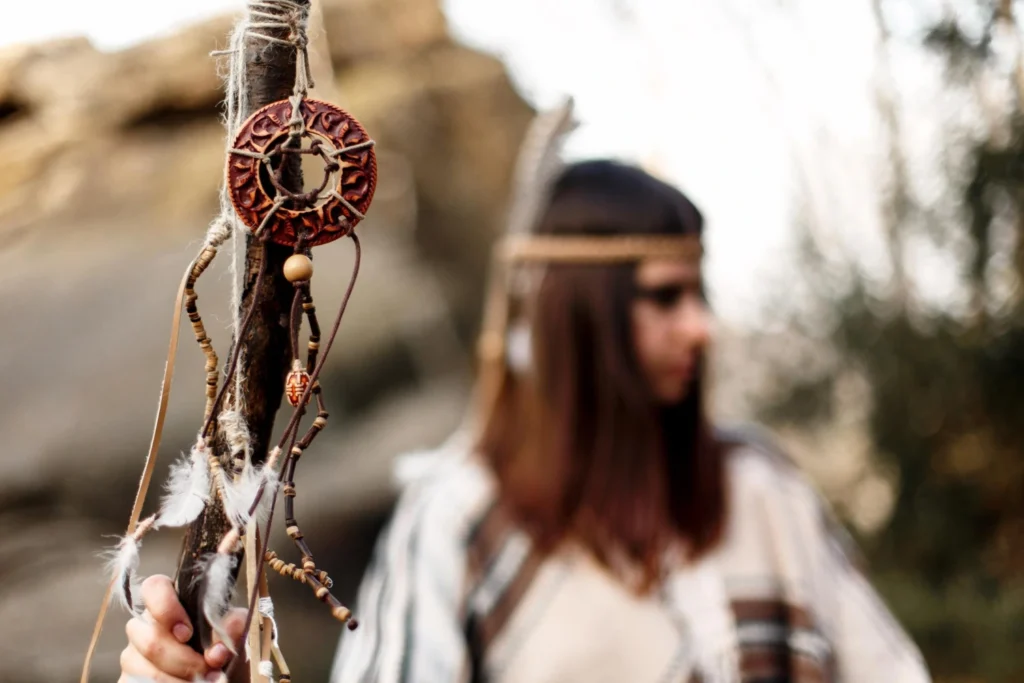
Ceremonies as the Heart of Native American Traditions
Ceremonies sit at the center of many Native American traditions. These are not casual events. They are structured, often sacred, and tied to specific intentions such as healing, gratitude, or marking a transition.
The sweat lodge, the sun dance, and the potlatch are just a few examples of ceremonies that serve spiritual and community purposes.
Access to most ceremonies is limited to community members or invited guests. Respecting that boundary is part of respecting the tradition itself.
Many ceremonies are tied to the natural calendar, marking solstices, harvests, and other seasonal shifts that connect people to the rhythms of the earth.
Music, Dance, and Storytelling in Daily Life
Music and dance are not separate from Native American traditions, they are deeply embedded in them. Songs accompany ceremonies, mark seasons, and carry prayers in many nations.
Drum circles are among the most well-known expressions of this, with the drum often described as the heartbeat of the earth.
Storytelling serves a similar function. Passed down through oral tradition, stories teach values, explain natural phenomena, and connect younger generations to their ancestors.
Different nations have their own storytelling seasons. Some traditions hold that certain stories can only be told in winter, when the earth is resting and ready to receive them.
Everyday Customs Rooted in Respect
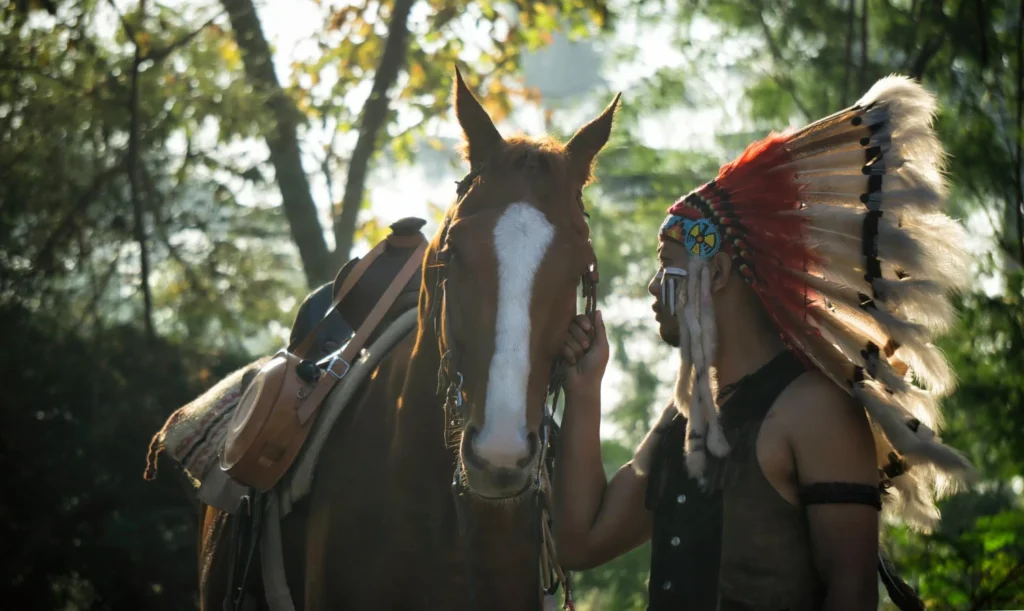
Many everyday Native American traditions come down to a single idea: respect. Respect for elders, for the natural world, for food, and for other living beings.
This shows up in practices like offering tobacco before taking from the land, greeting elders first in any gathering, or acknowledging the directions and elements at the start of a ceremony.
Food traditions are also significant. Many nations have specific protocols around hunting, fishing, and harvesting that reflect a relationship with the land built over thousands of years.
Learning about Native American traditions is an ongoing process. The more you explore, the more you realize how much depth and intentionality lives in customs that might look simple from the outside.